Blog

Short-term policies in response to geoeconomic shocks in the CESEE region and Albania

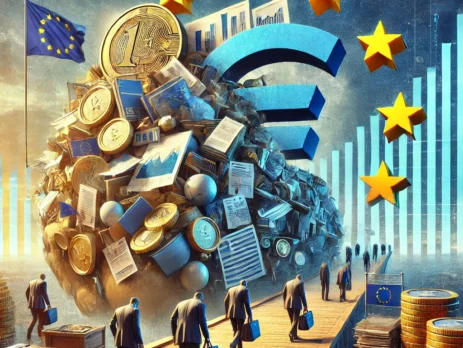
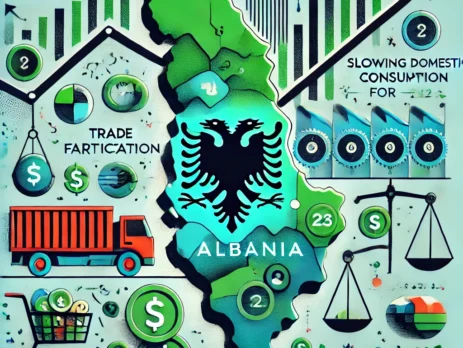
In this analysis on the challenges and policy responses to economic and trade fragmentation, we will discuss the key issues presented in Alfred Kammer’s speech[1] and their impact on the Central, Eastern, and Southeastern Europe (CESEE) region, including Albania, also...
Public Debt-to-GDP trend and fiscal consolidation

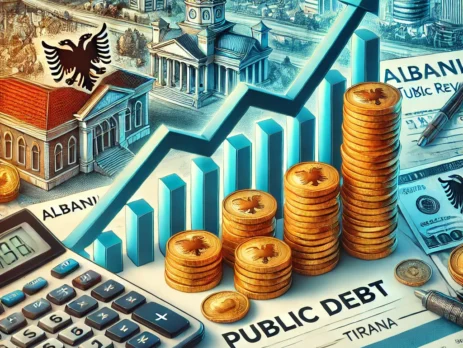
Public debt is one of the main indicators of a country’s fiscal sustainability. In this analysis, we will examine the trends of Albania’s public debt in relation to GDP during the period 2014–2024, assessing the impact of budget deficit, revenue...

New Political Parties: Transparency and Accountability as the foundation of a New Reality

In a period where Albanian society is undergoing a profound transformation in every aspect of life—from the economy to education and healthcare—there is a strong demand for change and renewal in Albanian politics. This demand has been reflected in the...

Albania under pressure from tourist influx and its impact on daily life and health

Statistical data shows a significant increase in the entries and exits of individuals in Albanian territory in January 2025 compared to the same period in 2024. Below, we analyze in detail the changes and their impact: 1. General entries and...

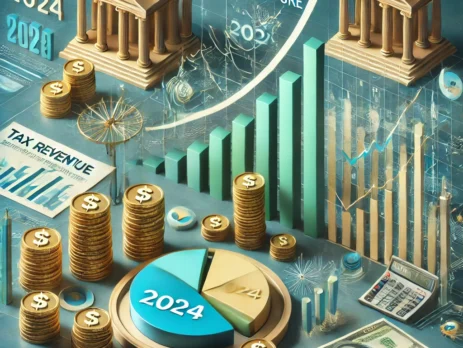
Analysis of Budget Revenue and Expenditure trends: 2024 vs 2023

In 2024, total revenues reached 710.3 billion ALL, marking an increase of 10.4% compared to 2023. This growth is the result of several economic and administrative factors that have influenced the performance of the fiscal system. 1. Tax and Customs Revenues Revenues...

Individual debt dependency and institutional insecurity

In an economy where wages do not rise in line with inflation and the cost of living—as is the case in Albania—individuals are often forced to rely on external sources to maintain a minimum standard of living. This creates a...

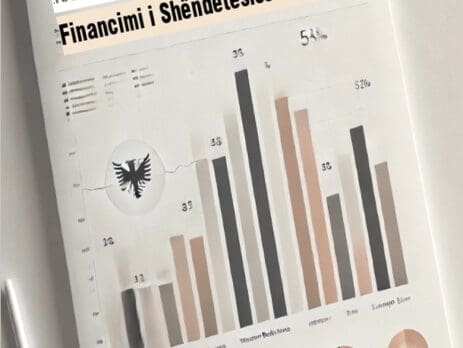
Healthcare Expenditures in the Western Balkans: Focus on Albania and 2025 Outlook

Our summary analysis of healthcare expenditures in Albania and the Western Balkans shows that Albania spends €312.5 per capita, which is lower than most countries in the region. Kosovo, North Macedonia, Serbia, and especially Montenegro allocate larger budgets to the...

Balance of Payments Indicators for the period 2020–2024 and Outlook for 2025

To highlight the entirety of economic balances and to better understand the changes Albania has undergone in recent years, we will examine each indicator in detail, focusing on the factors that contributed to their development, as well as the contradictions...

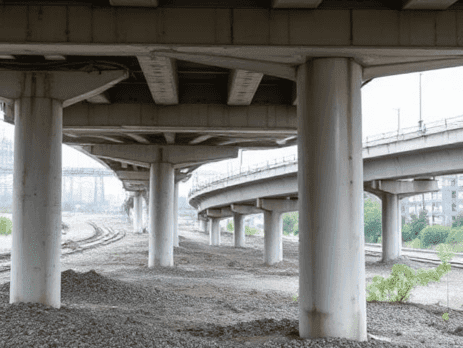
Delays in Infrastructure, hidden costs, and solutions for businesses

The government’s responsibility for delays in roadworks and the resulting losses for businesses is a critical issue that directly affects the economy and the social life of citizens. Public infrastructure is essential for national development. However, when projects are delayed due...

How much does it cost to meet EU membership standards?

The cost of meeting the standards for membership in the European Union (EU) depends on many factors, including Albania’s current situation in comparison to EU standards, the sectors requiring reforms, and the financial resources available. However, based on the experience...

error:
Privacy Overview

This website uses cookies so that we can provide you with the best user experience possible. Cookie information is stored in your browser and performs functions such as recognising you when you return to our website and helping our team to understand which sections of the website you find most interesting and useful.