


22Feb
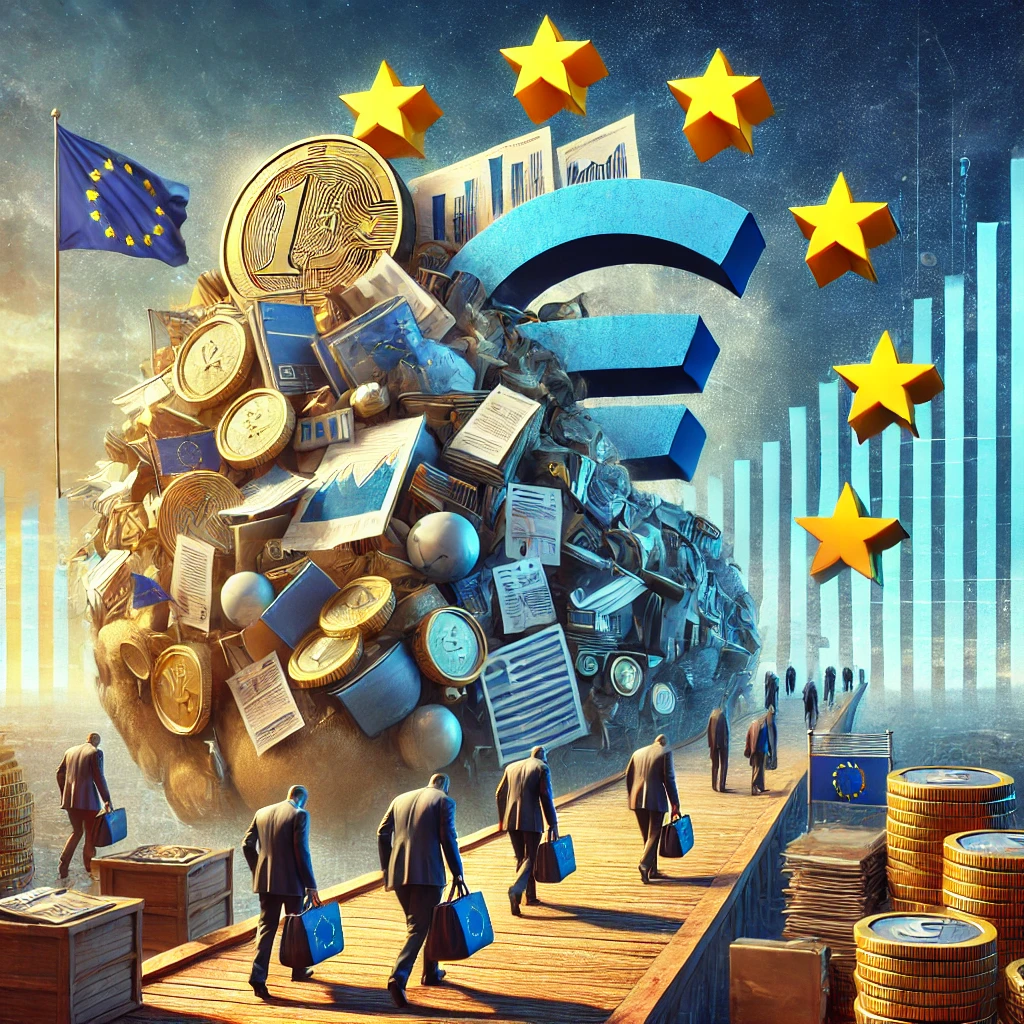
How much does it cost to meet EU membership standards?
The cost of meeting the standards for membership in the European Union (EU) depends on many factors, including Albania’s current situation in comparison to EU standards, the sectors requiring reforms, and the financial resources available. However, based on the experience of other recently acceded countries, a rough estimate can be made.
Key investment areas for meeting EU Standards
1. Legal System and Rule of Law
- Judicial reform and anti-corruption efforts. Development of an independent and efficient justice system.
- Estimated cost: €100–300 million
- Main expenses: Training, digitization of the judiciary, strengthening anti-corruption institutions
2. Infrastructure and Environmental Standards
- Drinking water and waste treatment. Improving water supply systems and waste treatment plants.
- Estimated cost: €550 million – €1.2 billion
- Main expenses: Construction of recycling facilities, wastewater treatment, and pollution reduction
- Renewable energy and energy efficiency. Increasing the share of clean energy and improving efficiency in the energy sector.
- Estimated cost: €1–1.5 billion
3. Agriculture and Food Standards
- Adaptation to the Common Agricultural Policy (CAP). Supporting farmers to meet EU standards on quality, safety, and product traceability.
- Estimated cost: €550–900 million
- Main expenses: Subsidies, agricultural technologies, and technical assistance for farmers
4. Transport Infrastructure and Regional Connectivity
- Improvement of roads, railways, and ports. Alignment with the Trans-European Transport Network (TEN-T).
- Estimated cost: €1.2–2.2 billion
- Main expenses: Construction and modernization of infrastructure
5. Public Administration and Digitalization
- Strengthening administrative capacities. Alignment with EU practices in public management and digital services.
- Estimated cost: €200–550 million
- Main expenses: Training, digital systems, and transparency improvement
6. Integration into the EU Market
- Adaptation of production standards and trade regulations. Alignment of Albanian legislation with that of the EU.
- Estimated cost: €200–450 million
- Main expenses: Technical assistance for businesses and regulatory harmonization
Summary of approximate costs
- Total investment estimated: €4.5–7.5 billion over a 10-year period
- This figure may vary depending on the pace of reform implementation and funding sources.
Funding Sources include:
- Pre-Accession Instruments (IPA). The EU provides funds to prepare candidate countries. Albania has previously benefited from these and will continue to do so.
- Support from international donors. Including institutions such as the World Bank and EBRD.
- State budget. Increased public investment and improved fiscal revenues.
- Private sector and PPPs. Cooperation with the private sector for infrastructure and energy projects.
Timeframe based on Regional Experience
- Countries like Croatia and Romania suggest that meeting EU standards takes around 10 years, depending on the pace of reforms and political commitment.
- Simpler reforms can be implemented within the first 5 years, while more complex reforms such as infrastructure and environmental standards require more time.
A strategic approach and strong coordination with the EU and other stakeholders are key to success in the integration process.
Leave a Reply
You must be logged in to post a comment.