


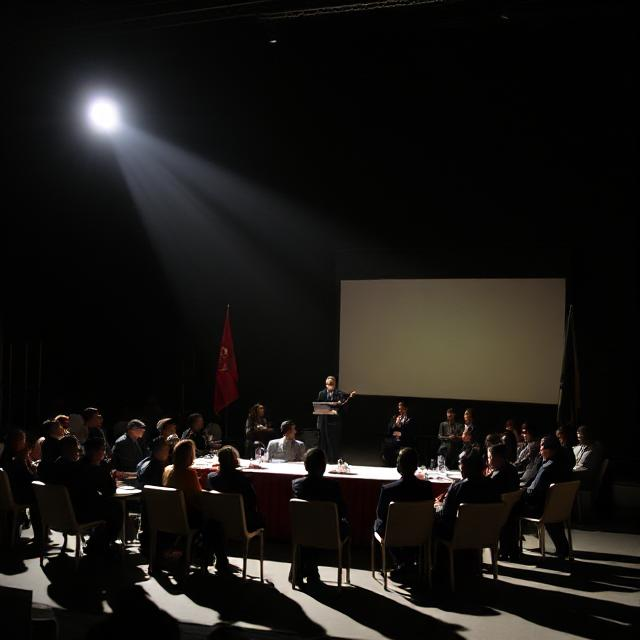
New Political Parties: Transparency and Accountability as the foundation of a New Reality
In a period where Albanian society is undergoing a profound transformation in every aspect of life—from the economy to education and healthcare—there is a strong demand for change and renewal in Albanian politics. This demand has been reflected in the rise of new political parties, which often appear as an opportunity to bring freshness and change to a political scene burdened and blocked by traditional practices.
The old parties have consumed time and resources, creating a complicated system where personal interests and those of powerful groups often prevail. However, this change cannot be achieved solely through slogans and images disseminated through social media; it must have a strong, sustainable, and—most importantly—transparent foundation.
A key role in this transformation belongs to SPAK, which can play an essential function in creating a clean and fair space for political competition, ensuring that new parties operate in a lawful and transparent environment.
New parties have the potential to bring real change to Albanian politics, but this can only happen if they rely on a strong and sustainable practice of transparency. This is the fundamental condition for gaining citizens’ trust and for building a better future for Albania.
Youth, as a dynamic and energetic force, can play an important role in this process by demanding and supporting a genuine commitment to transparency and honesty.
If new parties are able to offer full transparency and build sincere connections with citizens, they can become catalysts for real and lasting change in Albanian politics.
However, new parties often face significant challenges due to the lack of political experience. They may find themselves in a slow developmental phase, where they have not yet built a solid support base and risk failure due to a lack of experienced leadership capable of guiding decision-making. This can create uncertainty among citizens, who may not fully trust these parties’ ability to manage crises and various political, economic, and social challenges.
An example could be Shqipëria Bëhet or Lëvizja Bashkë, which, despite having strong potential to introduce new ideas and alternatives, are facing difficulties in building a sustainable support base due to the lack of a strong leadership structure.
Because they are in the early stages of development, new parties may struggle to establish a stable financial system. Without adequate financial support, they may fail to implement their political platforms and face difficulties in meeting campaign demands. This can lead to negative perceptions, as they may be seen as unstable or influenced by other interest groups, which undermines public trust.
Parties that have received funding from unclear sources are often difficult to trust, making higher transparency in this regard essential. It is important for parties to ensure that their funding sources are clean and contribute to building trust with citizens.
In many cases, new parties are formed as a union of individuals with different ideas, which can lead to internal conflicts and fragmentation. Without strong unity and well-managed organizational structures, these parties may dissolve or lose significant support. This has happened with some new parties in Albania that, due to internal disagreements and lack of coordination, have lost their expansion potential.
The main challenge for new parties is the environment in which they operate—a political scene dominated by well-established traditional parties with strong influence. To counter this, new parties must develop strong strategies to offer credible alternatives and overcome the barriers created by the old structures. For example, the Democratic Party (PD) and Socialist Party (PS) have dominated for years, and confronting these entrenched structures is a challenge for new parties seeking to build a sustainable support base.
Development and implementation of concrete policies
New parties can offer development policies that are clear and feasible, aimed at addressing citizens’ concrete needs. Below are examples of policies that they can develop to support Albania’s development, which were also included in our earlier publication at the beginning of this year. Summarized, these cover key policy areas relevant to the Albanian electorate:
- Economic policies: New parties can offer policies focused on supporting small and medium-sized enterprises, creating a more favorable environment for economic growth. They can promote reforms in the fiscal system, not only proposing tax reductions for businesses and support for technological and digital innovation but also harmonizing these with financial incentives to rebuild market trust. Further support can be offered to strategic sectors such as tourism and agriculture, but in the long term, technology and production based on labor market skills and resilience to current and future threats are more sustainable.
- Social policies and education: In education, new parties can propose reforms to modernize and improve the quality of teaching. Furthermore, they can support the development of professional and technical skills among youth to prepare them for a rapidly changing labor market that remains reliable and measurable. This contributes to lowering unemployment and offers youth better prospects, also connecting with diaspora issues and conditions for return.
- Healthcare and social protection: Policy initiatives could include commitments to improving access to healthcare services for all citizens, creating better opportunities for preventive care and early diagnosis. They can also enhance social protection policies for those in need—such as pensioners, the unemployed, and vulnerable groups—without resorting to populist approaches that ignore the country’s fiscal capacities.
- Transparency and the fight against past and present corruption: One of the most important sectors where new parties can take concrete steps is the fight against corruption. They can propose the creation of independent structures that monitor the use of public funds and ensure that all political and administrative processes are open and transparent to the public, while also adopting integrated approaches aimed at addressing the root causes of corruption.
To be effective and credible, new parties must offer not just slogans but also feasible and sustainable policies that address the real needs of Albanian society in key sectors. Nevertheless, their commitment to transparency and fighting corruption—as well as supporting sustainable development—are essential for building a better future for Albania.


Leave a Reply
You must be logged in to post a comment.