Blog

Quantitative Easing (QE) in Albania as a tool for Stability and Growth

Since 2020, the Albanian economy has faced a series of complex challenges. On one hand, inflation has experienced a significant increase, driven not only by domestic factors but also by turmoil and risks in the global economy. On the other...

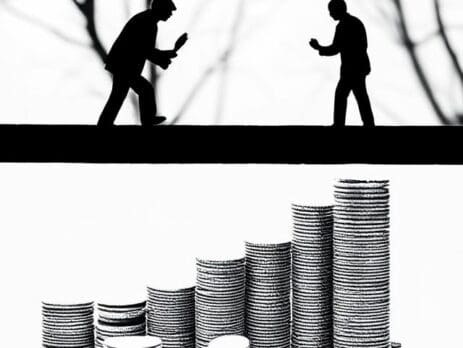
From regulator to operator, or when the government becomes the main player and the market loses freedom

At a time when the Albanian market must strive to consolidate competition rules, structure relationships among actors, and regain trust after decades of political interventions and ad hoc regulations, the Albanian government announces two policies marking a profound turning point...

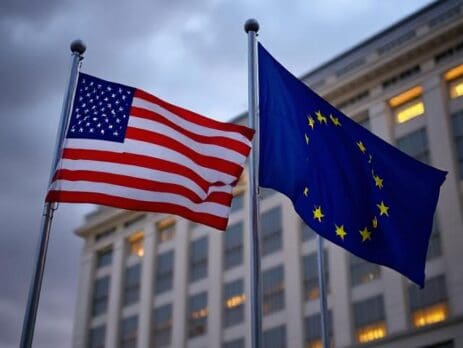
Albania facing the US-EU trade storm and the risks that need to be anticipated

When elephants fight, only the grass is crushed. This expression seems more relevant than ever, as the economic standoff between the United States and the European Union risks turning into a tariff clash with repercussions that will extend far beyond the...

Financial risks as a call for responsibility and direct action

At a time when the Bank of Albania has taken necessary measures by imposing limits on lending to the real estate sector, we must be clear. This is not just a technical measure but an alarm for the entire economic and...

Regional wage disparities as a critical challenge for Albania today and in the future

According to the latest data published by INSTAT for March 2025, the average gross salary in Albania reaches 82,210 lek per month. However, this average conceals a deep regional inequality that is growing at a worrying pace. In the capital,...

The Law on Strategic Investments or the anatomy of a planned failure

Ten years after the entry into force of the Law on Strategic Investments, Albania faces not just a reflection, but a grim mirror that can no longer be avoided. Albania confronts a bitter balance sheet and a fundamental question: Has this law...

The invisible decline in GDP

In Albania’s economic horizon, the year 2024 represents a silent turning point, where after a period of moderate expansion and hope for export diversification, the figures reversed. Statistical data show that exports fell by 15.4%, while imports increased by...

Public debt, a lasting burden with partial benefits

Public debt is not inherently negative. It is a financial instrument that governments use to cover the gap between expenditures and collected revenues (taxes, fees, tariffs, etc.). When there is a budget deficit, the government finances itself through borrowing from...

From e-Albania to Tax Architecture, because digitalization alone is not enough

Albania has made significant strides in digitalizing state-citizen relations. The e-Albania portal has become a mandatory entry point for a range of public services, including tax-related ones. Forms are no longer submitted in plastic folders. For several years now, citizens and businesses...

error:
Privacy Overview

This website uses cookies so that we can provide you with the best user experience possible. Cookie information is stored in your browser and performs functions such as recognising you when you return to our website and helping our team to understand which sections of the website you find most interesting and useful.