Blog

Foreign Direct Investment in Albania 2023–2024: Positive growth or an illusion of stability?

Foreign Direct Investment (FDI) represents one of the most important indicators of a country’s economic development. It reflects not only the level of confidence foreign investors have in the Albanian economy but also the effectiveness of government policies in creating...
The reality of minimum wage increases in Albania and the risks for businesses and citizens

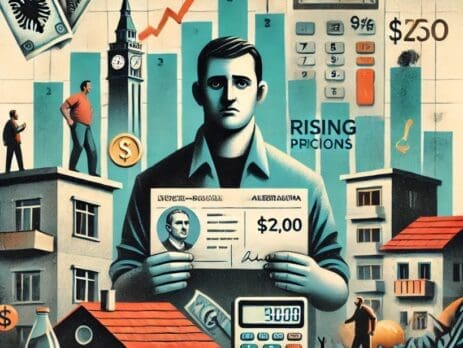
Raising the minimum wage is a complex decision that must consider the balance between workers' welfare and businesses' capacity to bear it. If the minimum wage increases without being based on productivity or economic growth, it may cause issues such...

Albania 1 Euro: A failed policy, or a missed opportunity?

The "Albania 1 Euro" initiative was introduced as a policy aimed at encouraging private investment by leasing public assets for just 1 euro. The main goal was to attract foreign and domestic investors, create jobs, and develop specific sectors of...

Money laundering in the construction sector and its impact on supply-demand and real estate prices

Money laundering is a phenomenon that has a noticeable impact on sectors such as construction and real estate, especially in economies that do not have strong control and transparency mechanisms. In Albania, where the construction sector has been prone to informal...

The decline in fertility rate: Economic and social consequences and the need for a political shake-up

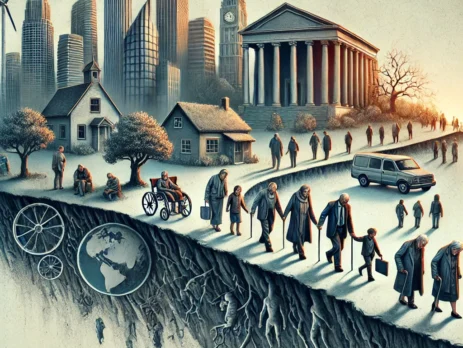
The fertility rate in Europe has experienced a steady decline in recent years, reaching an average of 1.46, while Albania is at even lower levels, with 1.31—far from the replacement level of 2.1. This phenomenon has profound and long-term consequences...

Orienting the economy toward production and technology: A necessary step for sustainable development

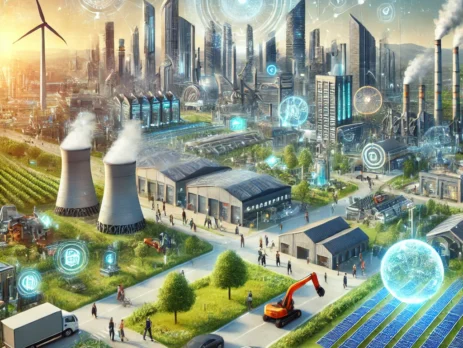
In a time when global economies are facing major global challenges and competition has become increasingly fierce, directing the Albanian economy toward production and technology presents an untapped opportunity to achieve sustainable growth, diversify resources, and ensure healthy economic development. As...

Wage increases: Who benefits more, the employer or the employee?

Wage growth is a complex issue tied to multiple economic, political, and labor market factors. It has both immediate and long-term impacts on employees and employers—but who is the primary beneficiary of this process? The answer depends on the perspective...

Digitizing Trust and limits of Tax Reform in Albania

Albania's recent push to digitize its tax system through the fiscalization process marks a high-profile attempt to combat informality and modernize public finance. Framed as a cornerstone of the country’s EU alignment efforts, this reform promises greater transparency and tax...

Wage increase amid economic reality and the challenge of sustainability

The increase of the average wage from 75,025 ALL at the end of 2023 to 83,401 ALL in the fourth quarter of 2024 is a significant development that has attracted wide attention. This wage increase, amounting to 8,376 ALL more...

Strengthening a transparent and efficient tax system in Albania in 2025 by learning from good European practices

When analyzing Albania's efforts to improve its tax system in 2025 and beyond, it is important to take into account successful experiences from both European countries and neighboring regions where similar tax reforms have been implemented. Albania is focused on improving...

error:
Privacy Overview

This website uses cookies so that we can provide you with the best user experience possible. Cookie information is stored in your browser and performs functions such as recognising you when you return to our website and helping our team to understand which sections of the website you find most interesting and useful.