


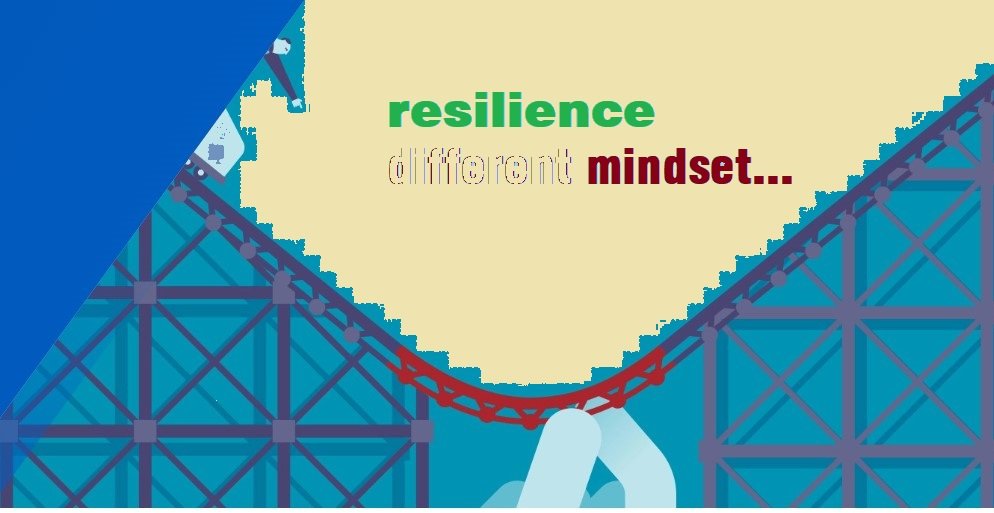
For a resilient Albania with a mindset 180 degrees different from until today
After a strong economic recovery in 2021, Albania in 2022 was hit by high energy costs, fueled to a significant extent by Russia’s occupation of Ukraine, but mostly left unclear as to how prepared domestic resources were. to mitigate the unexpected effect of the foreign market [1].
Inflation rose and economic activity slowed in 2022. The economy appears to have shown little resilience [2] and why inflation was much lower than Balkans and other EU countries. This means that the problem with the resiliency of the Albanian economy proved to us that the ability to predict, adapt and use the changing conditions to the advantage of productivity is not effective with this political mindset and this economic and social environment.
This finding makes sense to clarify the situation of the economy and Albanian families regarding the exceptionally low dependence on the interruption of Russian gas.
The political myopia to prevent the cyclical crises that have entered our economy as in every country for at least 1 decade, as well as the isolation of the majority within its own group is the most suitable explanation for this situation.
Naturally, we all hoped for a strong policy response including price controls for fuel, for the contribution to the economy of reforms in the electricity sector, tax reductions for fuel products and the food basket, increased payments of transfers from the budget for some of the most needy population layers, as well as consistent measures to support businesses.
In 2022, a plan of measures and reactions followed, both from the state budget, but also from the institutions, and this political spirit softened somehow the impact of the energy price shock, but it has been costly for the government and indicative of a wrong targeting of the budget to meet social costs.
Partly due to very expensive infrastructure support measures, Albania’s budget deficit has remained high, and the debt will continue to increase relative to the gross domestic product. The level of public debt is also high compared to the counterparts of the Open Balkans and Kosovo and Montenegro. To bring the budget closer to balance and put the debt weight on downward, successive governments should undertake gradual but substantial fiscal consolidation over the medium term and facilitation of development in less developed areas of governance to improve their ability to repay their debt obligations.
This can start by benefiting from the gradual removal of pandemic support to begin a modest reduction of the fiscal deficit in 2023,
Mostly the governance suffers from poor planning in strategic policies. This mindset must be changed by working to strengthen the accountability and responsibility of the institutions to restore public confidence in the governance model.
The fight against corruption should become a primary objective for each of the public institutions and based on a complete, comprehensive, and transparent analysis.
It can then be followed by a sustainable consolidation, supported by the financial discipline of expenditures (inhibition of PPP contracts and others similar), leaving room to accelerate digital investment and in sectors that need government support.
The government has done little to introduce bold new measures for reforms that have been in place for a decade and that have remained in place, or that have fallen short of expectations.
Therefore, it is necessary to regularly take stock of the latest reforms based on accountability and responsibility. An in-depth analysis of the reforms is needed to verify the performance of the government, but also the economy of the country, reflecting the changes in the demographic structure, in the economy, in the labor market, as well as in the dynamics of policies.
All this approach in coordination with actors and active interest groups in Albania it is the essence of thinking differently to increase economic and social resilience to animate growth potential, reducing fiscal costs, including revised unemployment benefits that will help increase labor supply and a reform comprehensive pension scheme that aims to balance the pension system and increase the employment rate of older workers by bringing the model of private pension schemes closer to at least the EU average.
Other directions for fiscal reform may include areas where spending far exceeds that of counterpart countries in the Open Balkans, or where results are substandard. This finding includes the unanalyzed exemptions for taxes and fees and future actions will have to be based on cost-benefit, reformation for social benefits, health care and local spending, establishing as a prerequisite the discipline and financial management according to the recommendations from the international institutions, but not yet sufficiently implemented by Albanian public finances.
The acceleration of structural reforms to build the capacities of the tax administration and strengthen the still intangible benefits from investments in digitization and e-government are not showing that increase in transparency, or their impact in reducing illegal monetary flows.
Beyond fiscal measures, other reforms could boost growth potential, such as steps to accelerate the nearer diversification of energy sources, improvements in product and service markets to increase competition. Efforts to improve the skills of workers and to increase the efficiency of the education system, especially the professional one, in accordance with the demands of young people who are looking for knowledge and work abroad, are equally valid.
Let the change begin by increasing stability by promoting resilience in trade and services within the country, especially in the production of products to protect the economy from volatile commodity prices that can achieve relative independence.
If we can summarize it as above, according to the citizen’s point of view, it seems that changing the mindset for the improvement of institutional governance is a priority. In the meantime, the government and all non-corrupt politicians should support the adoption of multi-year packages that can boost the productivity of the private sector based on the lessons learned from mistakes and sins to date.
This is particularly worth carrying out through the adoption of complete reform packages for the financial sector, giving priority to e.g. mandatory private pension schemes, which can quickly mobilize Albania’s financial resources for comprehensive and sustainable development and the replacement of the mentality of benefiting from amnesty and discriminatory policies for honest taxpayers.
Taking decisive action to reduce social differences, the deficit in the education of young people and strengthening the law needs to be achieved by acting with a 180 degree mindset different from today.
Citizens can do this as an opposition that can replace the corrupt opposition, as well as the few politicians and elites who are not corrupt from the current system.
[1] On the one hand, the companies of the fuel trading sector did not implement the legal criteria for mandatory safety reserves and on the other hand, the institutions themselves did not implement the duties on the guarantee by commercial subjects of reserves to prevent the immediate price increase of fuels for consumption.
[2] A resilient economy provides citizens with sustainably managed resources, reliable infrastructure, and the ability to combat natural and man-made threats.

Leave a Reply
You must be logged in to post a comment.