


Soft power after the summit: International in image, fragile in essence
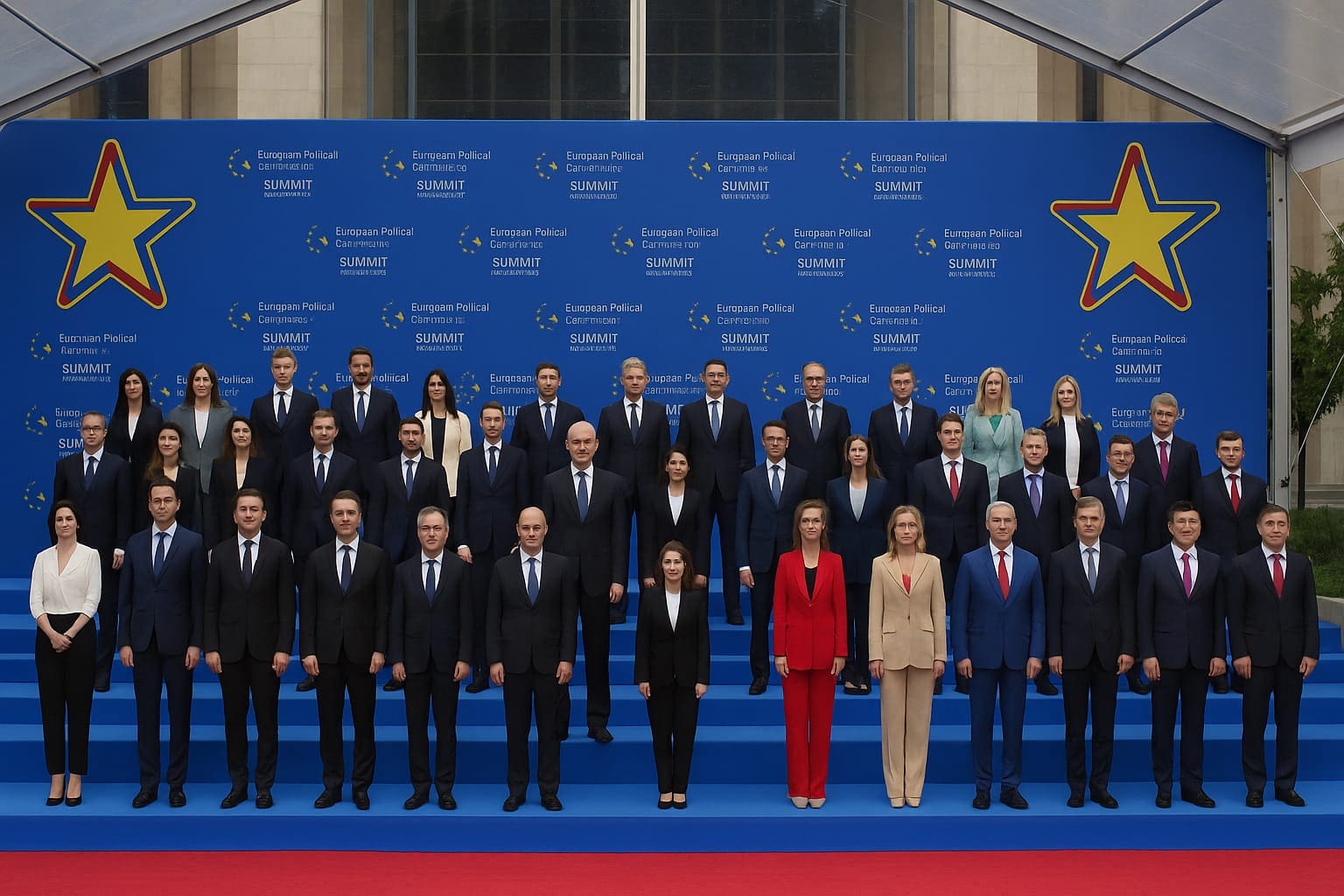
In a world where international image is measured not only by real performance but also by the ability to present and package it as success, Albania managed—if only for a moment—to ascend a European stage usually reserved for bigger players. Hosting the European Political Community (EPC) Summit in Tirana on May 15–16, 2025, was widely seen as an act of diplomatic affirmation and a signal of what many described as the country’s “strengthened soft power.” Yet, like lights dimming after the show ends, this event must be analyzed beyond the media runway.
Just Another Summit – What do these events actually produce?
Such summits are not rare. In the past five years, countries such as:
- Slovenia (2021): Focused on rebuilding dialogue after the post-Brexit crisis and strengthening EU–Balkans ties.
- Czech Republic (2022): Used to harmonize the response to Russian aggression in Ukraine.
- Moldova (2023): An opportunity to highlight the pro-European stance of a country directly threatened by Russian influence.
- Spain (2024): Focused on North–South dialogue and clean energy, emphasizing Euro–Mediterranean cooperation.
- Albania (2025): The first summit outside EU territory, positioned as a symbol of the Balkans drawing closer to Europe.
What benefits did these summits bring?
- In Moldova, the summit helped secure defense funds and bolster its EU candidacy.
- In Slovenia, the impact was more symbolic.
- Spain used the summit to reposition itself as a center of energy diplomacy.
- Albania, though a successful host, has yet to see any tangible outcomes beyond media accolades.
An event, but not a Strategy
To build sustainable soft power, a country needs domestic policies that reflect credible values and institutions that support them.
Albania currently lacks a consolidated public diplomacy strategy, exportable cultural policies, or a stable ecosystem to exert influence beyond its borders.
The EPC Summit was a well-orchestrated exception—not part of an institutionalized path.
Politicization of success and the spectacle of leadership
Instead of constructing a national narrative to empower the state, the summit became a propaganda tool domestically, portraying the prime minister as the central actor on a stage that should have been institutional.
From personalized banners to interventions in every panel, Albania was presented more as a story of “strong leadership” rather than that of a “functional state.”
And this is exactly what soft power is not.
Structural fragility behind the spotlight
No summit can erase the fact that Albania ranks among the most corrupt countries in Europe (according to Transparency International), has limited media freedom, politicized institutions, and low public trust.
It is no coincidence that our diplomacy lacks a permanent body for cultural promotion or a support system for the diaspora as a foreign policy instrument.
Increased visibility, but no influence
Albania’s participation placed it at the center of attention. But being present is not the same as influencing the agenda.
Albania did not present a new platform for the Balkans, nor any initiative on security, energy transition, or digital transformation of the region.
The words spoken were direct—but not new.
In this sense, participation marked audibility, not leadership.
When soft power collides with harsh reality
Albania continues to suffer from:
- High unemployment, especially among youth;
- Massive emigration and loss of human capital;
- Low trust in the judicial and political system;
- Deep inequality and wealth concentration.
Can a country with such indicators be an attractive model for its neighbors?
If not, then any claim to soft power is, at best, disingenuous—and at worst, false.
What does it take for true Soft Power?
To move from a celebratory moment to a sustainable policy, Albania needs:
- A genuine public diplomacy strategy rooted in culture, education, and science;
- Depoliticized and independent institutions that boost domestic and international credibility;
- Inclusion of civil society and the diaspora in shaping the country’s image;
- Humble and institutional leadership—not a personalized foreign policy.
Soft power is the product of credibility built over time, not of a media-glorified moment.
The EPC Summit in Tirana gave Albania a moment of glory. But glory is temporary. Momentum only comes if that moment is translated into strategy, institutions, and credibility.
Otherwise, we remain a country photographed alongside great leaders—without the capacity to influence great agendas.In international politics, as in life, image has value—only when it matches the substance.

Leave a Reply
You must be logged in to post a comment.