


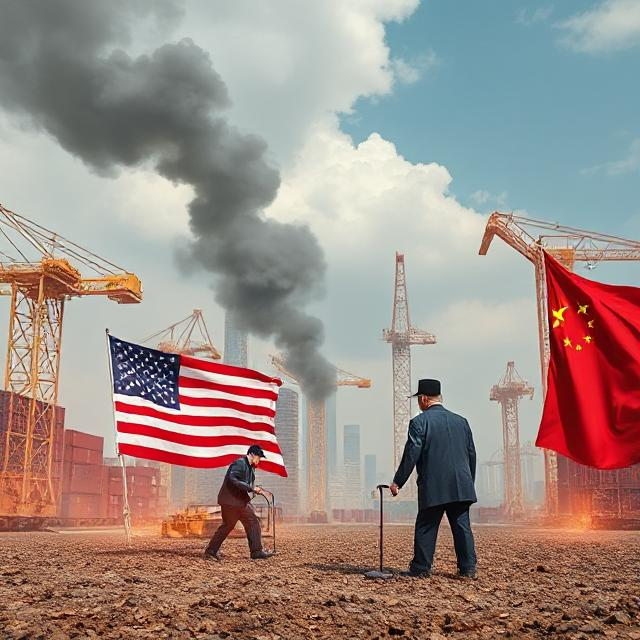
US–China Trade War is also transforming the global economy
The trade war between the United States of America (USA) and China entered a new phase of escalation in March 2025, following the imposition of new tariffs and protective measures by the American administration. This escalation has raised many questions about the global impact of this development, as well as about the beneficiaries and drivers of this dynamic, which is closely linked to internal political and economic issues, as well as uncertainty in international markets. The following analysis aims to break down the aspects of these tariffs, the objectives behind their imposition, and their help or harm to all involved parties.
Reasons behind the new tariffs
The USA justifies the imposition of tariffs as a measure to:
- Reduce dependence on Chinese imports and increase domestic production.
- Protect American manufacturers, especially in the technology and agriculture sectors.
- Pressure China to address other issues, such as the use of state subsidies and intellectual property protection.
China considers this US action a violation of the multilateral trade system and an attempt to weaken its economy. For this reason, it has imposed retaliatory tariffs on some of the most important US agricultural products, including:
- Corn and wheat, which are the main pillars of US exports to China.
- Soybeans and beef, hitting American farmers, an important group for the US administration.
- Seafood, fruits, and dairy products, to diversify the impact on the American economy.
China is trying to show strength and minimize dependence on US imports by seeking alternatives from other countries, such as Brazil and Argentina for agricultural products.
Winners and losers from the new tariffs
With the increase in tariffs, some domestic producers in both countries may benefit from increased demand for domestic goods.
Countries like Brazil and Argentina may benefit from the shift in Chinese demand for soy and beef from the USA to them.
The EU and Southeast Asian countries could exploit this tariff war to expand their markets in China and the USA, replacing some of the tariff-hit products.
On the other hand, with tariffs imposed by China, many American farmers will lose one of the largest markets for their products.
Tariffs will lead to price increases for many basic products such as wheat, meat, and dairy, affecting both American and Chinese consumers.
The uncertainty created by these tariffs may lower economic growth in both countries and create instability in financial markets.
If the US and China continue this cycle of retaliatory tariffs, the situation may worsen and lead to a broader trade war, which could also affect relations with the EU and other partner countries.
Global investors are concerned about increasing uncertainty in financial markets. A prolonged trade war between the two largest economies in the world could lead to slower economic growth and shocks to international stock markets.
If economic pressure increases, there may be a push for new negotiations, where the US and China may reach an agreement to avoid further damage.
Perspective and stance of other countries
The EU is an important actor in this trade conflict, as it:
- May benefit from trade displacement in some sectors such as technology and agricultural products.
- At the same time, the EU is concerned about the possible consequences on global economic growth and the escalation of tensions between its two largest economic partners.
Canada and Mexico
These two countries are affected by US trade policies and may face additional tariffs if tensions escalate.
They may also try to exploit this situation to strengthen trade ties with the EU and Asia.
Global trade experts express that this unilateral tariff measure by the USA violates World Trade Organization (WTO) rules and undermines the security and stability of global industrial and supply chains.
The imposition of additional tariffs by the USA on goods imported from China in fact violates the rules of the World Trade Organization (WTO) and could harm the stability of global industrial and supply chains.
The WTO has created a system based on international trade norms and rules to ensure the free flow of goods and services between countries. This is important to maintain the benefits of international trade, such as increasing efficiency, lowering costs, and encouraging competition. According to these rules:
- All tariffs and trade barriers must be reasonable and explainable and not used as protectionist policy tools that could harm the multilateral trading system.
- Additional tariffs imposed without the consent of other WTO member states, such as US actions against China, are often considered violations of WTO membership commitments, as they may undermine achieved trade agreements and disrupt international trade.
In this case, the imposition of unilateral tariffs by the USA without global approval constitutes a violation of the USA’s obligations under the WTO. China may use WTO mechanisms to challenge this decision and may seek compensation for the impacts of the tariffs on its economy.
The imposition of unilateral tariffs by the USA creates uncertainty and instability in global supply chains, which are essential for the production and distribution of goods.
Many companies globally depend on resources and components produced in China to complete their production. The new tariffs will lead to higher product costs, forcing companies to change suppliers or reduce production.
Tightening trade policies would hinder further market integration, making them more fragmented and less secure for investors and businesses.
Additional tariffs would lead to price increases for consumers, making products such as electronics and automobiles more expensive, besides the effect they may have on sectors that rely on Chinese raw materials and products.
In addition to direct impacts, a prolonged tariff war may have long-term effects on global economic stability:
- Escalation of tensions could slow down global economic growth, increase uncertainty, and make economic development more difficult for many countries, especially those closely linked with the US and China.
- Disruptions in trade relations with other countries, which may feel compelled to follow the US example and impose similar tariffs on other partners, leading to a chain effect and worsening the situation.
How much does a tariff war harm the sustainable development of the global economy?
One of the main consequences of the tariff war is the escalation of economic uncertainty and the impact on global supply chains. Supply chains are essential for the production and distribution of goods around the world. Additional tariffs imposed by China as well as those by the USA have an immediate effect on increasing production costs for many companies that depend on goods and raw materials imported from these two states.
These tariffs, as well as the potential escalation of further protectionist measures, undermine trust and predictability in global trade. This negatively affects investor decision-making and may lead to the revision of trade agreements, changes in supply partners, and a slowdown in investments in important industries.
The imposition of additional tariffs by China and the USA may increase commodity prices, especially for products such as chicken meat, wheat, corn, cotton, and soybeans, which are part of both economies and are important for global markets.
Consumers in different countries may see a rise in the cost of living, due to higher prices for products coming from countries involved in this tariff war.
Likewise, farmers and producers who rely on these imports may face lower income, considering that the costs of the raw materials they use will rise and demand for some products may fall due to higher prices.
The escalation of the tariff war and the imposition of new trade barriers between the USA and China, as well as the possibility that this could extend its impact to other countries, may slow down global economic growth. This is due to dual effects:
- Countries that are closely linked to the USA and China may face a lack of demand for their products, and therefore, many economies will slow down their economic growth.
- The trade war may lead to an escalation of protectionism and the fragmentation of international markets, making them narrower and less integrated. This process may directly affect sustainable development efforts and may hinder opportunities for increased global productive capacities and investment growth.
Another important aspect is the environmental impact of the trade war. Blocking trade and changing its rules may affect production processes and the use of natural resources, as well as encourage greater exploitation of resources for domestic production. This may lead to:
- Increased consumption of local energy and raw materials, creating more pressure on the environment and worsening ecological impacts, if these resources are not managed sustainably.
- Accelerated energy expenses and environmental pollution, as many developed and developing economies still depend on fossil fuels and intensive production.
In a broader context, the trade war may encourage political and social tensions within and outside the states involved. The rise of protectionism and trade blocking may cause social dissatisfaction, especially for those who depend on exports and imports to keep local economies stable. This may lead to the escalation of tensions and political polarization, fostering internal and international clashes.

Leave a Reply
You must be logged in to post a comment.