inflacion

Analysis of lending and deposit conditions from banks, first 6M -2025

In mid-2025, the Albanian financial market is operating in an environment that continues to be favorable for borrowing, mainly due to the accommodative monetary policy of the Bank of Albania and the still low cost of deposits. These conditions have...

ALTAX presents the summary of economic, and fiscal analyzes “More economy and less political selfishness”

In general, the Albanian economy exceeded the forecasts of domestic and foreign economists for 2023. For 2024, it seems that economists are showing a cautious approach to the forecasts of economic growth declared by the government at the level below...

Our economic analysis for 2024: More economy and less political selfishness

As the year 2023 came to a close, the Albanian economy is doing better than expected from last year's forecasts. But it can be said that this pace does not match the expectations of small and medium businesses and citizens....

Headline inflation and energy – fuel inflation in the OECD and the Balkans, August – October 2023

Headline inflation (year-on-year) in the OECD, as measured by the Consumer Price Index (CPI), eased to 6.2% in September 2023 from 6.4% in August, following increases in July and August. Inflation fell between August and September in 27 OECD countries. In...

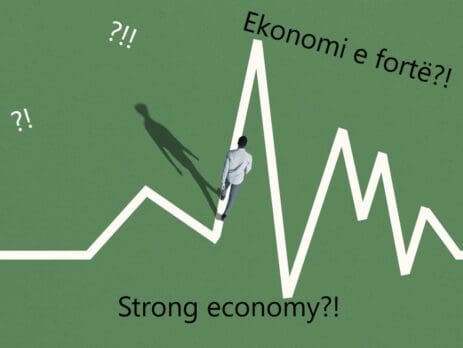
Why does a strong economy cause a strong currency and why does our economy not?

International theory and practice show us that: In the short term If an economy experiences high rates of economic growth, then the economy is likely to see interest rates rise as the Central Bank responds to higher growth and potential inflationary pressures...

What is a strong economy?

In clarifying the term strong economy, according to many definitions and criteria from most information, it is seen that it should summarize together: - High rate of economic growth. According to our commentary, this implies an expansion of economic output,...

The Pedal of Fiscal and Monetary Policy: Who Has Been Pressed Harder?

The sharp tightening of monetary policy has often caused financial stress or even crises, especially in developed economies, but also in developing countries. Because of higher credit and currency risks, global investors have typically pulled out quickly when interest rates...

…to create a resilient fiscal shield to adjust to shocks

Inflation can affect public finances through multiple channels. It tends to expand tax bases in nominal terms, increasing nominal tax revenues, but it can also increase the cost of government spending, more directly for budget items that are automatically indexed...

Why is the euro currently so weak in Albania and why the high prices?

According to the history and development of inflationary trends it has been observed that countries with higher inflation usually see their currency depreciating relative to the currencies of their trading partners. This is usually accompanied by higher interest rates as...

Interest rates and inflation require the expansion of the financial market

Today's economy looks vastly different compared to last year and worries about inflation, exchange rate fluctuations, rising bank interest rates and the cost of personal and business loans and even a recession are weighing on in the minds of each...

error:
Privacy Overview

This website uses cookies so that we can provide you with the best user experience possible. Cookie information is stored in your browser and performs functions such as recognising you when you return to our website and helping our team to understand which sections of the website you find most interesting and useful.