


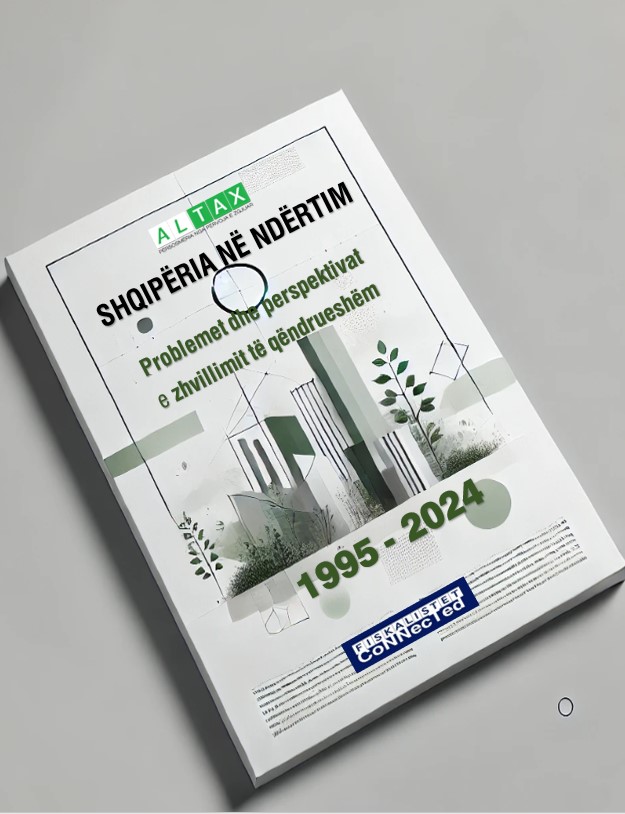
Publication of the Study: “Albania Under Construction: Challenges and Prospects for Sustainable Development 1995–2024”
A comprehensive study on the construction sector in Albania over the period 1995–2024 has been released, offering an in-depth analysis of the challenges, impacts, and opportunities for sustainable development. “Albania Under Construction” presents a detailed assessment of the construction market, its economic and environmental implications, and the government policies that have influenced this vital sector of the Albanian economy.
Growth in construction and sustainability challenges
Over recent decades, construction has been a key driver of economic growth, stimulating employment and investment. However, this growth has also brought significant consequences, such as:
- Air pollution and CO₂ emissions, affecting the quality of urban life.
- Public health concerns, where overpopulation and inadequate infrastructure create social and health problems.
- Pressure on agriculture and nature, as construction has negatively impacted agricultural land and natural areas.
The study emphasizes that despite the sector’s growth, the lack of integration of sustainable practices has led to issues that require immediate attention.
Analysis of the geographic distribution of investments
A key aspect of the study is the geographic distribution of construction investments. Tirana has absorbed the majority, with over 60% of building permits approved, while other cities have lagged behind. Coastal areas—especially Durrës, Vlora, and Saranda—have seen a construction boom driven by tourism, but lacking sustainable planning. The report highlights an imbalance in investment between major cities and peripheral regions, increasing pressure on existing infrastructure.
Construction intensity and urban development impact
The report examines the intensity of construction and its impact on urban development. The high density of construction, particularly in Tirana and Durrës, has led to urban congestion, infrastructure problems, and rising living costs. The lack of green spaces and uncontrolled development are major concerns, calling for urgent intervention in urban planning policies.
Informality in construction and its economic impact
Another key finding of the study is the high level of informality in the construction sector. A significant share of buildings has been constructed outside legal standards, resulting in major issues regarding legalization and safety. Nonetheless, this informal sector has had a considerable economic impact by generating jobs and circulating capital.
The role of fiscal policies and government incentives
Fiscal policies and government incentives have directly influenced the sector’s development. The study analyzes the impact of various property taxes, tax reductions for developers, and the effects of legalization policies for unauthorized buildings. While these measures have stimulated development, they have also contributed to a speculative market that has driven up real estate prices.
Is there a need for infrastructure investment in tirana and coastal areas?
Given the urban overload, the study raises the question of the urgent need for infrastructure investments. Tirana and coastal cities face a lack of public spaces, adequate roads, and efficient transport systems. Without better urban planning and strategic investments, the construction sector’s growth may become a major issue for the quality of life in these areas.
Recommendations for Sustainable Development
The study provides several recommendations for a greener and more sustainable construction sector, including:
✅ Investments in renewable energy, to reduce the sector’s climate impact.
✅ Use of green materials and new technologies, to lower pollution and improve energy efficiency.
✅ Strengthening urban planning policies, to prevent congestion and create more livable cities.
✅ Reducing informality in construction, by reinforcing regulations and legalization processes.
✅ Developing a balanced construction investment strategy, directing funds also toward underdeveloped areas.
“Albania Under Construction: Challenges and Prospects for Sustainable Development 1995–2024” is an essential analysis for understanding the developments and challenges of one of Albania’s most significant economic sectors. The study is addressed to construction experts, policymakers, citizens, and environmental activists who wish to engage in creating a more sustainable future for Albania.
📘 The study is available to the public and interested professionals on ALTAX’s online platform for further consultation.



Leave a Reply
You must be logged in to post a comment.