


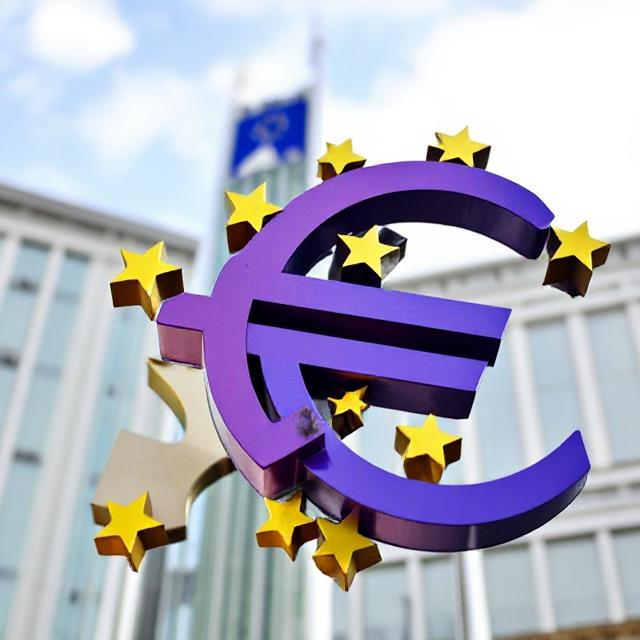
Euro keeps falling despite record Bank of Albania interventions, but is monetary credibility at risk?
In 2024, the Bank of Albania carried out one of its largest interventions in history, purchasing €930 million[1], and €800 million for 9-months in 2026, in foreign currency in an effort to curb the excessive strengthening of the Albanian lek.
Yet, despite maintaining the same pace of intervention in 2025, the euro has continued to depreciate, reaching unprecedented lows in the domestic market.
According to ALTAX’s analysis, this dynamic signals a deeper problem, the weakening impact of monetary instruments in an economy increasingly shaped by strong foreign inflows from investments, remittances, and tourism revenues.
A growing monetary paradox
The Bank’s large-scale interventions aim to protect export competitiveness and contain inflation, but the ongoing depreciation of the euro has had the opposite effect: reduced profitability for exporters, lower euro-denominated revenues, and signs of structural imbalance in the market.
Instead of restoring stability, these interventions expose the lack of domestic mechanisms to absorb excess foreign currency and the structural dependence on external flows.
As a result, the central bank faces a delicate balance between controlling inflation and preserving public trust in its monetary policy.
Credibility under pressure
Official data highlight inflation declining to 2.2%, yet the market remains unconvinced. The euro’s fall continues, while the volume of interventions grows.
This contradiction raises questions about the credibility and sustainability of Albania’s monetary stance.
ALTAX stresses that the real challenge lies not in managing the exchange rate itself, but in rebuilding confidence in monetary policy mechanisms.
In a heavily euroized economy with large inflows and low domestic demand for euros, centralized interventions have diminishing effects.
“Buying foreign currency can no longer substitute for building trust,” the analysis warns.
A policy that needs coordination
Economists caution that if current trends persist, Albania risks a structurally distorted exchange rate, where a strong lek undermines exports and increases import dependency.
The solution lies not in larger interventions, but in a more coherent fiscal-monetary coordination and in creating real economic channels to absorb excess foreign currency.
Ultimately, the essential question remains:
– How long can the Bank of Albania buy credibility with the euros it keeps buying from the market?
[1] https://www.bankofalbania.org/Shtypi/Njoftimet_per_shtyp/Fjala_e_Guvernatorit_Sejko_gjate_prezantimit_te_Raportit_Vjetor_te_Bankes_se_Shqiperise_per_vitin_2024_ne_Komisionin_e_Kuvendit_per_Ekonomine_Punesimin_dhe_Financat.html


Leave a Reply
You must be logged in to post a comment.