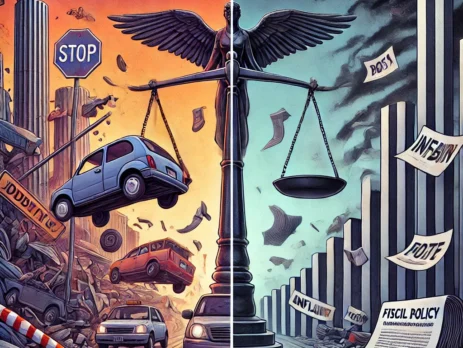
inflation

The economic and monetary situation of Albania between stimulus and risk

In the second half of 2025, the Albanian economy finds itself in a delicate transition phase, with macroeconomic indicators presenting a dual picture: on one hand, stable economic growth, a strong labor market, and increasing purchasing power, and on the...

Quantitative Easing (QE) in Albania as a tool for Stability and Growth

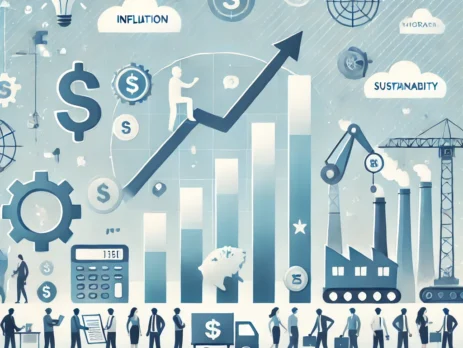
Since 2020, the Albanian economy has faced a series of complex challenges. On one hand, inflation has experienced a significant increase, driven not only by domestic factors but also by turmoil and risks in the global economy. On the other...

Increased consumption and the return of services as pillars of economic growth in the first quarter of 2025

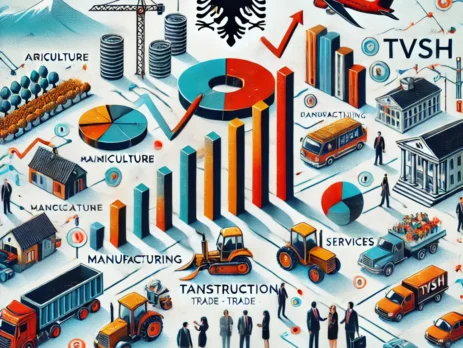
Albanian economy in the first quarter of 2025 is characterized by a recovery of consumption and services as growth engines, but with serious challenges in the manufacturing sector and in the foreign trade balance. In the following, we will present a...

Minimum Wage, not as a populist tool, but as a signal of economic development

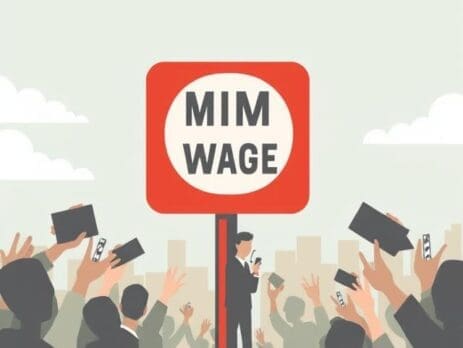
According to historical data, the minimum wage in Albania has had an interrupted and politicized history since the 1990s. Initially, it was set to define a minimal standard of living after the transition from a planned economy to a free...

Wage increase amid economic reality and the challenge of sustainability

The increase of the average wage from 75,025 ALL at the end of 2023 to 83,401 ALL in the fourth quarter of 2024 is a significant development that has attracted wide attention. This wage increase, amounting to 8,376 ALL more...

Macroeconomic and Fiscal Framework for the period 2026–2028 and comparison with the period 2022–2024

This analysis addresses the expected developments and trends of the Albanian economy during the 2026–2028 period, comparing them with the 2022–2024 period and offering a deep perspective on the successes and weaknesses of economic and fiscal policies. The analysis covers various...

Analysis of Public Finances before and after 2013

The analysis of the main problems inherited in Albania’s public finances before 2013 highlights a series of complex and intertwined challenges, which negatively impacted fiscal sustainability and the country's long-term economic development. The increase in public debt and the lack of...

Price increases significantly affect the cost of living for low-income groups and those earning the minimum wage

Data on the Consumer Price Index (CPI) for 2024 and 2025, using December 2020 as the base (with a value of 100), provide insight into price developments across various categories of goods and services. This information is useful for understanding...

Critical analysis of the Quarterly Monetary Policy Report 2024/IV of the Bank of Albania

The Bank of Albania's report for the fourth quarter of 2024 presents an optimistic picture of the Albanian economy, highlighting a decrease in inflation, GDP growth, and improvements in financial markets. However, a deeper and more critical analysis, in relation...

error:
Privacy Overview

This website uses cookies so that we can provide you with the best user experience possible. Cookie information is stored in your browser and performs functions such as recognising you when you return to our website and helping our team to understand which sections of the website you find most interesting and useful.