albania

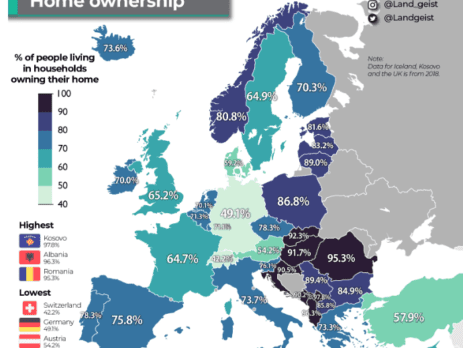
Why do Albania and Kosovo lead Europe in home ownership?

Based on the latest Eurostat data (2024) for European Union countries, as well as consolidated international sources such as Statista, Visual Capitalist, and Landgeist for non-EU countries, the homeownership rate in Albania is estimated at around 95.9–96% for the period...
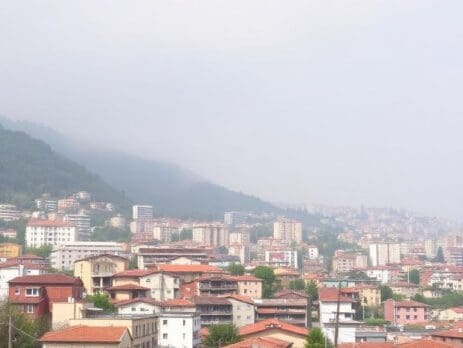
Construction abuses and air pollution, a high price of uncontrolled “development”

The construction sector contributes up to 40% of global CO₂ emissions, but in Albania, the air pollution crisis has taken on tragic human dimensions, extending far beyond just the construction industry. According to data from the European Environment Agency (EEA) for...

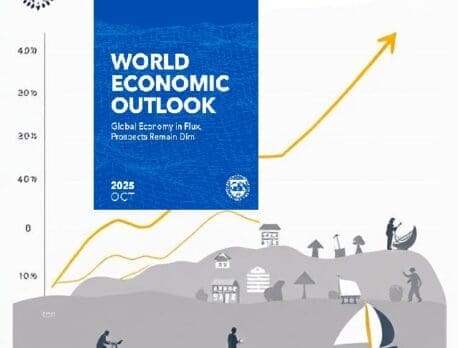
Albania and Kosovo at a crossroads: New Analysis sparks public debate on economic vision beyond 2025

In a period when the world is facing geopolitical tensions, rising trade barriers, and rapid technological transformations, a new analytical study emerges as a call for reflection and action for Albania and Kosovo. Both countries, though small in size,...

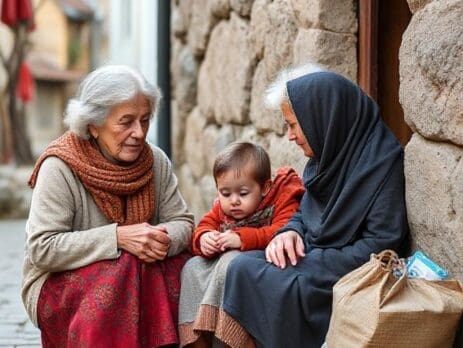
Social analysis of Poverty and Well-Being in Albania, 2024

In Albania, nominal income growth and positive macroeconomic indicators have not automatically translated into improvements in citizens’ everyday lives. Public policies, including increases in minimum wages, pensions, and social assistance, aim to protect the minimum living standard and reduce poverty, but...

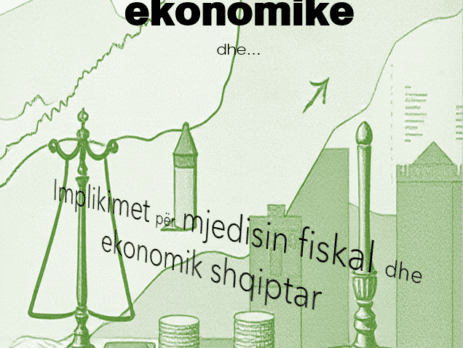
Taxation as a growth engine: Albania between fiscal potential and institutional barriers

At a time when the debate over the efficiency of fiscal policies is more alive than ever, Albania stands as a typical case of an economy that has surpassed the minimal fiscal threshold for development, yet still struggles to build...

Transparency and access to information in Albania: Challenges and the need for Action

In Albania, challenges related to transparent governance and access to information remain evident, reflecting several findings from GRECO’s Fifth Evaluation Round. The report[1] highlights that delayed access, lack of proactive transparency, and incorrect limitations in existing laws...

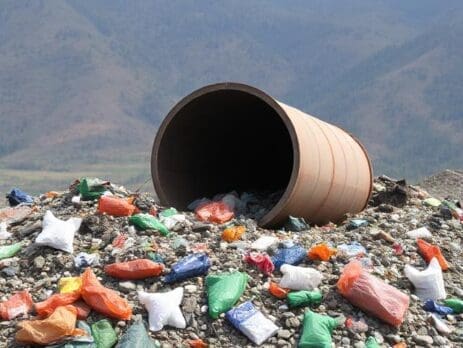
The noise of waste numbers and the Strategic deafness of Responsibility

Albania is producing more and more waste, yet the institutions tasked with managing this burden, namely local authorities and the Ministry of Infrastructure and Energy, behave as if this reality does not exist.National strategies are approved, documents are multiplied, but...

How realistic is the idea of a Cash-Free Albania by the end of the decade?

In recent years, the idea of a cash-free Albania has gained significant attention, closely tied to the country’s process of European Union integration and the modernization of its financial system. However, while the vision sounds promising, the reality is far...

error:
Privacy Overview

This website uses cookies so that we can provide you with the best user experience possible. Cookie information is stored in your browser and performs functions such as recognising you when you return to our website and helping our team to understand which sections of the website you find most interesting and useful.