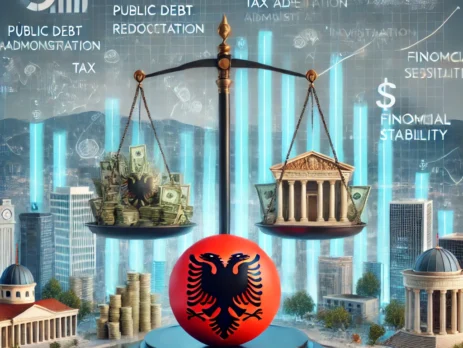
tax administration

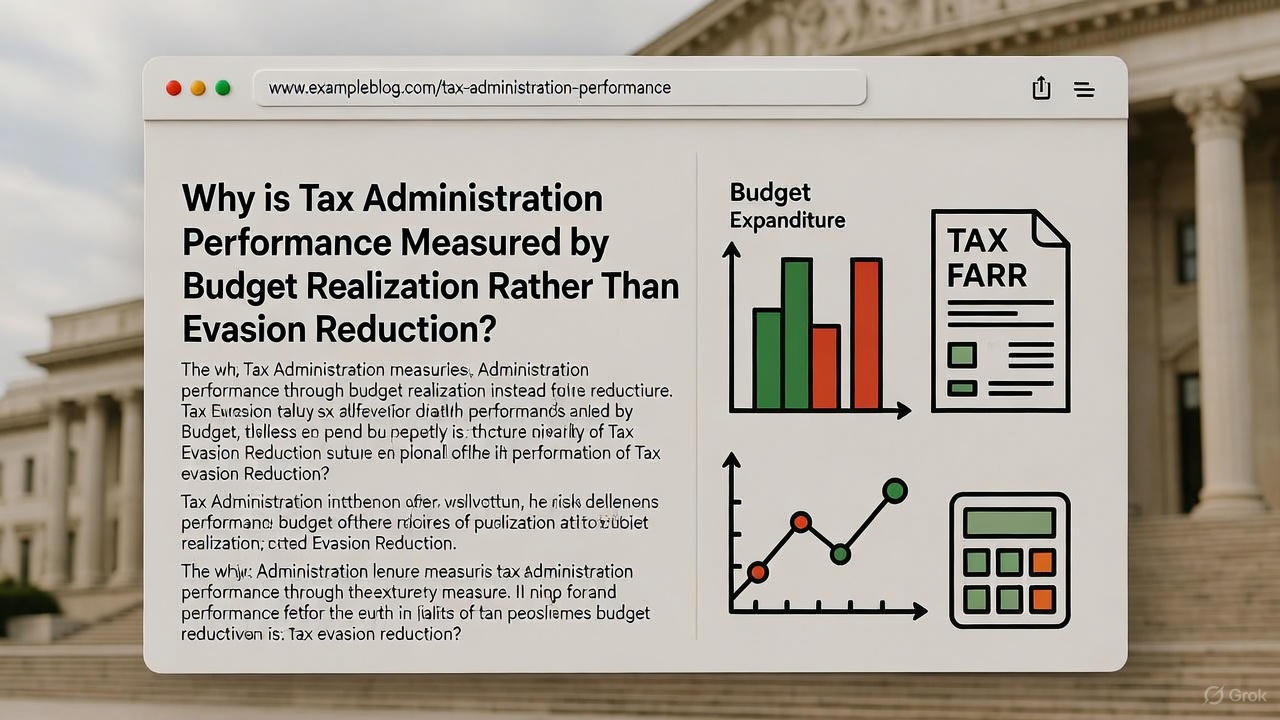
Why is performance of the tax administration measured by realization of state budget rather than by reduction of tax evasion?

This question touches on a fundamental aspect of the fiscal system, where formal priorities, administrative practices, and political interests play a decisive role. In countries like Albania, where the tax administration is part of the state mechanism for revenue collection, the...

From e-Albania to Tax Architecture, because digitalization alone is not enough

Albania has made significant strides in digitalizing state-citizen relations. The e-Albania portal has become a mandatory entry point for a range of public services, including tax-related ones. Forms are no longer submitted in plastic folders. For several years now, citizens and businesses...

Why do only a few Albanians declare their income, while spending like the rich?

In 2025, only 124 thousand individuals submitted the Individual Annual Income Declaration (DIVA) in Albania. This figure represents no more than 25–30% of individuals who have obligation based on the current law and especially on estimates for the active population with...

Is the tax administration moving in the right direction?

In its effort to build a strong and efficient tax administration, the government has taken several important steps, but there are still challenges that hinder progress. The implementation of fundamental principles of tax governance—such as equity, transparency, and efficiency—is essential,...

Comparative analysis of Tax Revenues and GDP by Albanian regions

This analysis aims to assess the ratio between tax revenues and GDP for each county in Albania, identifying opportunities to increase tax productivity and diversify revenue sources to enhance the country’s economic and financial system. To conduct a detailed comparative analysis...

Comprehensive economic analysis of Albania, 2021–2028

According to the Macroeconomic Framework 2026–2028, approved by the government at the beginning of February 2025, it appears that the economic, financial, and fiscal trends are positive and with a clearly optimistic pace. Referring to the Ministry of Finance’s document, it...

Beyond recurrence — Is 2025 a structural break or tactical replay?

Albania’s 2024 anti-informality campaign marks the fourth major attempt in a decade (following 2015, 2018, and 2021). While the discourse is familiar—promoting tax compliance, reducing wage evasion, and curbing informality—the infrastructure, international context, and strategic intent have evolved. The question...

… towards the joint struggle for narrowing informality!

The informal economy is important to the formal economy because if its size is formalized year after year, this would potentially affect economic growth, but it would also increase government budget revenues and as a result improve social welfare. In an...

error:
Privacy Overview

This website uses cookies so that we can provide you with the best user experience possible. Cookie information is stored in your browser and performs functions such as recognising you when you return to our website and helping our team to understand which sections of the website you find most interesting and useful.